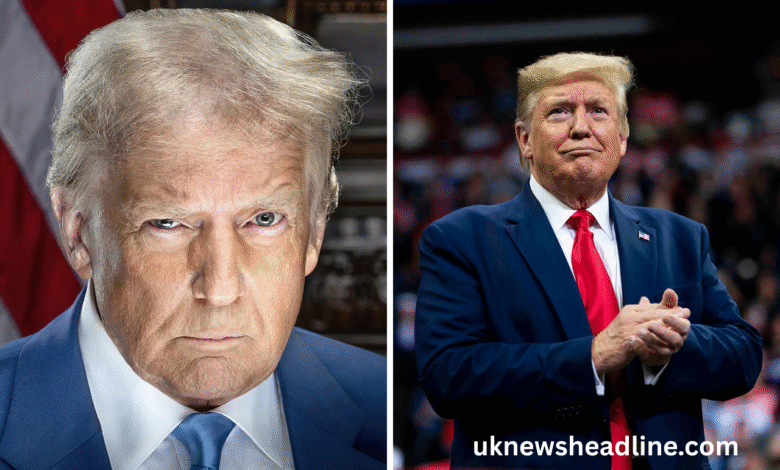
Donald Trump remains one of the most recognizable and debated figures in contemporary politics. His journey from a high-profile businessman to a dominant political force has reshaped not only American governance but also global political narratives. His name is associated with bold decisions, unconventional leadership, and a communication style that breaks traditional norms. This combination has made him both widely admired and strongly criticized across different audiences.
Trump’s rise reflects a broader shift in how leadership is perceived in the modern era. He positioned himself as an outsider who challenged long-standing political establishments, appealing to voters who felt disconnected from traditional institutions. His influence extends beyond elections, shaping debates around nationalism, media credibility, and economic priorities.
Even outside political office, Trump continues to play a major role in shaping public discourse. His presence in media, public events, and global conversations ensures that his impact is ongoing. Understanding Trump requires looking beyond headlines and exploring the layers of his personal, business, and political life.
Early Life and Family Background
Donald Trump was born into a wealthy and ambitious family in Queens, New York. His father, Fred Trump, was a successful real estate developer who played a crucial role in shaping Donald’s early exposure to business. Growing up in a competitive environment, Trump developed a strong sense of ambition and confidence that would later define his career.
His education included time at the New York Military Academy, where discipline and leadership were emphasized. This experience is often cited as an important influence on his personality, contributing to his assertive and structured approach to challenges. He later attended the Wharton School at the University of Pennsylvania, where he studied economics and gained formal business knowledge.
Family influence remained central throughout his early life. Trump often credited his father for teaching him the fundamentals of real estate and deal-making. This early exposure provided him with both financial support and industry insight, giving him a significant advantage as he entered the business world.
Building a Real Estate Empire
Trump’s business career began with his involvement in his family’s real estate company, which he later renamed The Trump Organization. He shifted the focus from residential housing in outer boroughs to high-profile developments in Manhattan. This strategic move helped him gain visibility in one of the world’s most competitive real estate markets.
His projects included luxury hotels, skyscrapers, and casinos, many of which carried his name as a brand. Trump Tower in New York became a symbol of his success and ambition. His approach to business emphasized branding as much as construction, turning his name into a global symbol associated with wealth and luxury.
However, his business journey was not without setbacks. Trump faced multiple financial challenges, including bankruptcies related to his casino ventures. Despite these difficulties, he managed to maintain his public image and continued expanding his brand through licensing deals and media appearances, reinforcing his identity as a resilient businessman.
Media Presence and Personal Branding
Trump’s entry into television significantly boosted his public image. His role as the host of The Apprentice introduced him to a broader audience and reinforced his reputation as a decisive and authoritative figure. The show’s success helped transform him into a household name beyond the business world.
His ability to use media strategically became one of his strongest assets. Trump understood the value of visibility and often generated headlines through bold statements and controversial opinions. This approach ensured that he remained relevant and constantly in public discussion.
Personal branding became a cornerstone of his identity. Trump’s name appeared on buildings, products, and various ventures, creating a powerful and recognizable brand. This strategy blurred the line between business and celebrity, allowing him to transition into politics with a built-in base of recognition and support.
Entry into Politics and the 2016 Election
Trump’s political ambitions became a reality during the 2016 presidential campaign. Running as a Republican candidate, he presented himself as a political outsider determined to challenge the status quo. His campaign focused heavily on immigration control, economic reform, and national sovereignty.
His slogan, “Make America Great Again,” resonated with many voters who felt left behind by globalization and economic shifts. Trump’s rallies were energetic and often unconventional, reflecting his unique approach to campaigning. He relied heavily on direct communication rather than traditional political messaging.
Despite facing strong opposition and skepticism from political analysts, Trump won the election. His victory marked a turning point in American politics, demonstrating the growing influence of populist movements and changing voter priorities. It also signaled a shift in how campaigns could be run in the digital age.
First Presidency and Domestic Policies
During his first term as president, Trump implemented several major domestic policies. His administration focused on tax reform, resulting in significant changes to corporate and individual tax structures. He also prioritized deregulation, aiming to reduce restrictions on businesses and stimulate economic growth.
Immigration policy became one of the most debated aspects of his presidency. Trump introduced stricter border control measures and emphasized national security. These policies sparked intense discussions across the country, highlighting deep divisions in public opinion.
Healthcare, infrastructure, and law enforcement were also key areas of focus. Trump’s approach often emphasized efficiency and economic impact. While supporters praised his efforts to strengthen the economy, critics argued that some policies lacked inclusivity and long-term planning.
Foreign Policy and Global Strategy
Trump’s foreign policy approach was distinct from traditional diplomatic practices. He prioritized national interests and often renegotiated international agreements to better align with his administration’s goals. His “America First” strategy became a defining feature of his leadership.
He engaged in high-profile negotiations with global leaders and took firm stances on trade relations, particularly with countries like China. These actions influenced global markets and reshaped economic partnerships. His approach often emphasized strength and direct negotiation.
At the same time, his foreign policy decisions sparked debate among allies and critics alike. Some viewed his actions as necessary for protecting national interests, while others believed they disrupted long-standing alliances. This dual perception reflects the complexity of his global impact.
Second Presidency and Continued Influence
Trump’s return to the presidency marked a rare and significant political comeback. His second term has continued to reflect his core principles, including economic nationalism and strong executive leadership. His policies remain focused on domestic growth and international competitiveness.
During this period, Trump has maintained a strong connection with his political base. His communication style remains direct and unfiltered, allowing him to stay closely aligned with public sentiment among supporters. This connection has played a key role in sustaining his influence.
His second presidency also highlights the evolving nature of modern politics. Trump’s ability to remain relevant across multiple election cycles demonstrates the enduring appeal of his leadership style. It also underscores the shifting dynamics of voter engagement and political identity.
Controversies, Legal Challenges, and Criticism
Trump’s career has been marked by numerous controversies and legal challenges. These issues have ranged from business disputes to political investigations, often dominating media coverage. His ability to navigate these challenges has been a defining aspect of his public life.
Critics have raised concerns about his leadership style, decision-making process, and impact on democratic institutions. These debates have contributed to a highly polarized political environment, where opinions about Trump are often strongly divided.
At the same time, his supporters argue that many criticisms are politically motivated. They view him as a leader willing to challenge established systems and push for change. This contrast in perspectives continues to shape discussions about his legacy and influence.
Read more: Latest USA News 2026: Key Updates, Trends, and Developments Shaping America
Legacy and Long-Term Impact on Politics
Donald Trump’s legacy is complex and continues to evolve. He has redefined political communication by using media and technology to connect directly with the public. His approach has influenced how future leaders may engage with voters and shape their campaigns.
His impact on political ideology is also significant. Trump’s emphasis on nationalism, economic protectionism, and strong leadership has reshaped the priorities of his political party. These changes are likely to influence policy debates for years to come.
Ultimately, Trump’s role in modern history is undeniable. Whether viewed as a transformative leader or a controversial figure, his influence extends far beyond his time in office. His story reflects broader changes in society, politics, and the nature of leadership in the 21st century.