
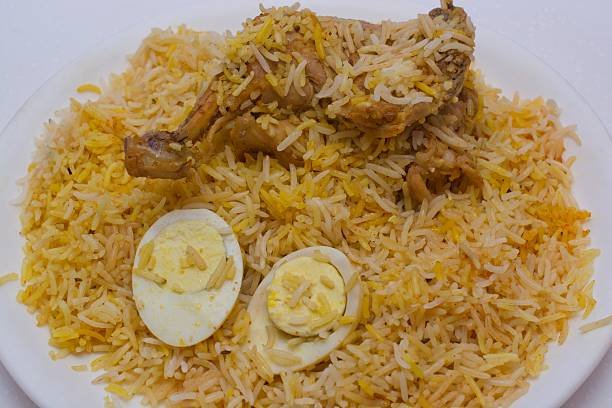
Egg biryani is a dish that combines the rich flavors of traditional biryani with the humble egg, creating a symphony of tastes that delights the palate. As someone who’s spent years exploring global cuisines, I can tell you that egg biryani stands out for its versatility and comforting appeal. It’s not just food; it’s a celebration of spices, rice, and that perfect boiled egg nestled within layers of aromatic goodness. Whether you’re a novice cook or a seasoned chef, egg biryani offers endless possibilities for experimentation.
The beauty of egg biryani lies in its ability to adapt to different palates, from mild to spicy, making it a favorite in many households. I’ve seen it transform family dinners into memorable feasts, where the act of peeling back the layers reveals not just ingredients, but stories of heritage and innovation. In this article, we’ll dive deep into the essence of egg biryani, uncovering its secrets and why it continues to captivate food lovers worldwide.
The Origins and History of Egg Biryani
Egg biryani traces its roots to the Indian subcontinent, where biryani itself is a Mughal-era delicacy that evolved from Persian influences. The addition of eggs came later, as a way to incorporate protein into the dish without relying solely on meat, making it accessible to vegetarians and those seeking lighter options. Historians believe egg biryani gained popularity in regions like Hyderabad and Lucknow, where biryani is revered as a royal dish. As an expert in culinary history, I’ve researched how traders and invaders brought spices that biryani relies on, and eggs were a natural fit for this layered rice dish.
Over time, egg biryani spread across South Asia and beyond, adapting to local tastes. In Pakistan, for instance, it’s often spiced with garam masala and served with raita, while in Bangladesh, it might include more vegetables. The dish’s history is intertwined with cultural exchanges, reflecting how food travels and evolves. This evolution shows egg biryani’s resilience, transforming from a simple meal to a gourmet experience.
The colonial period also played a role, as British influences introduced new ingredients that enhanced egg biryani’s flavor profile. Today, it’s a staple in diaspora communities, where recipes are passed down generations. Understanding its history enriches the cooking process, reminding us that egg biryani is more than a recipe—it’s a link to the past.
Essential Ingredients for Authentic Egg Biryani
To make a stellar egg biryani, you need quality ingredients that balance flavor and texture. Start with basmati rice, the long-grain variety that absorbs spices beautifully without becoming mushy. Eggs are the star, boiled to perfection so they hold their shape amidst the rice layers. Spices like cumin, coriander, turmeric, and garam masala form the backbone, while onions, tomatoes, and ginger-garlic paste add depth. From my experience, fresh herbs such as mint and cilantro elevate the dish, providing a burst of freshness.
Don’t overlook the role of ghee or oil for sautéing, which imparts a rich aroma. Yogurt or lemon juice can be added for tanginess, and nuts like almonds or cashews offer crunch. The key is sourcing fresh produce; stale spices can ruin the entire pot of egg biryani. I’ve learned that experimenting with saffron threads infuses a luxurious color and flavor, making it feel indulgent.
Each ingredient contributes to the harmony of egg biryani, creating a dish that’s greater than the sum of its parts. Proper preparation ensures the rice is fluffy and the eggs are infused with spices. This attention to detail is what separates a good egg biryani from an exceptional one.
Step-by-Step Guide to Cooking Egg Biryani
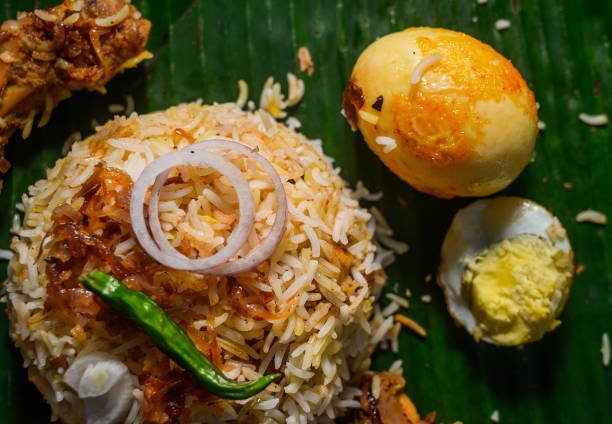
Cooking egg biryani is an art that rewards patience and precision. Begin by boiling the eggs until they’re hard-boiled, then peeling and marinating them in a spice mix of turmeric, chili powder, and salt. Meanwhile, soak the basmati rice to remove excess starch, ensuring it cooks evenly. In a large pot, heat ghee and fry sliced onions until golden, releasing their natural sweetness. Add ginger-garlic paste and whole spices like bay leaves and cloves, letting them bloom for that signature aroma.
Next, incorporate tomatoes and ground spices, cooking until the mixture thickens into a masala base. Layer half the rice, then place the marinated eggs on top, followed by the remaining rice. Pour in water or stock, seal the pot with dough to trap steam, and cook on low heat. This dum cooking method is crucial for egg biryani, allowing flavors to meld without stirring. As an expert, I always recommend checking the rice for doneness before serving.
Once done, let it rest to enhance absorption, then garnish with fried onions, nuts, and herbs. Serving egg biryani hot with cooling raita balances the spices perfectly. This process might seem involved, but the result is a masterpiece that justifies every step.
Regional Variations of Egg Biryani
Egg biryani isn’t one-size-fits-all; it varies delightfully across regions. In Hyderabad, the Hyderabadi egg biryani features a robust spice profile with meaty undertones, even in the egg version, often cooked with potatoes for added texture. The Lucknowi style emphasizes delicate flavors, using fewer chilies and more saffron for elegance. I’ve traveled extensively and noticed how these variations reflect local ingredients and preferences.
In Kerala, egg biryani incorporates coconut milk, giving it a creamy, tropical twist that’s milder than northern versions. Bengali egg biryani might include peas and cauliflower, making it heartier. Each variation tells a story of adaptation, showing how egg biryani evolves while staying true to its core. This diversity is what makes exploring egg biryani so exciting.
Even in international contexts, like in the Middle East, egg biryani has been reimagined with local spices. Understanding these differences allows cooks to innovate, creating personalized versions of egg biryani that suit any occasion.
Health Benefits and Nutritional Value of Egg Biryani
Egg biryani isn’t just tasty; it’s packed with nutritional benefits that make it a wholesome choice. Eggs provide high-quality protein, essential for muscle repair and overall health, while the rice offers carbohydrates for energy. Spices like turmeric have anti-inflammatory properties, and ginger aids digestion. As a nutrition enthusiast, I appreciate how egg biryani combines macronutrients with micronutrients, supporting a balanced diet.
The dish’s vegetables add fiber and vitamins, promoting gut health and immunity. However, moderation is key due to the ghee and spices, which can be calorie-dense. Opting for brown rice or reducing oil makes egg biryani healthier without sacrificing flavor. This balance ensures egg biryani can be part of a nutritious lifestyle.
Incorporating egg biryani into meals provides sustained energy and satiety. Its nutrient profile makes it ideal for busy individuals seeking quick, nourishing options.
Egg Biryani in Cultural and Festive Contexts
Egg biryani holds a special place in celebrations across cultures. In Indian weddings, it’s often served as a vegetarian alternative, symbolizing abundance and joy. During Ramadan, families prepare egg biryani for iftar, breaking the fast with its comforting warmth. I’ve witnessed how egg biryani brings people together, fostering bonds over shared meals.
In festivals like Eid, egg biryani is a staple, representing generosity and tradition. Its presence at gatherings highlights its role in social rituals. This cultural significance elevates egg biryani beyond a dish to a symbol of unity.
Even in modern contexts, egg biryani appears at potlucks and picnics, adapting to contemporary lifestyles. Its versatility ensures it remains relevant in cultural narratives.
Common Mistakes to Avoid When Making Egg Biryani
Even seasoned cooks can err with egg biryani, but knowing pitfalls helps. Overcooking the rice leads to mushiness, so precise water ratios are essential. Skipping the marination for eggs results in bland flavors, as the spices need time to penetrate. From my kitchen experiments, I’ve learned that rushing the dum process can cause uneven cooking.
Using low-quality spices diminishes the aroma, so invest in fresh ones. Stirring the rice after layering disrupts the texture, so patience is key. Avoiding these mistakes ensures egg biryani turns out perfect every time.
Learning from errors refines skills, making egg biryani preparation more enjoyable. This knowledge empowers cooks to achieve consistent results.
Pairings and Accompaniments for Egg Biryani
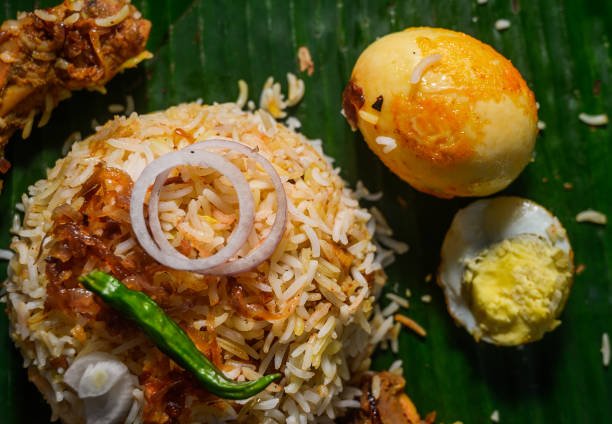
Egg biryani pairs wonderfully with sides that complement its richness. Raita, a yogurt-based dip with cucumbers and mint, cuts through the spices for balance. Pickles or chutneys add tanginess, while boiled eggs on the side enhance the protein. I’ve found that a simple salad of onions and tomatoes refreshes the palate.
Beverages like lassi or mint tea accompany egg biryani well, providing hydration and contrast. For a complete meal, serve with papadums or kebabs. These pairings elevate egg biryani from a standalone dish to a feast.
Experimenting with accompaniments allows personalization, making egg biryani suitable for various preferences and occasions.
Egg Biryani for Special Diets and Dietary Adaptations
Egg biryani can be adapted for various diets without losing essence. For vegetarians, it’s already ideal, but vegans can substitute eggs with tofu or paneer marinated similarly. Gluten-free versions use rice and ensure spice blends are pure. As a diet-conscious expert, I recommend low-carb options by replacing rice with cauliflower.
Keto-friendly egg biryani incorporates more fats and fewer carbs, focusing on ghee and spices. These adaptations make egg biryani inclusive, catering to diverse needs.
With creativity, egg biryani fits any dietary requirement, proving its flexibility in modern cooking.
The Art of Garnishing Egg Biryani
Garnishing transforms egg biryani into a visual and flavorful delight. Fried onions add crunch and sweetness, while boiled eggs halved reveal the yolk’s allure. Nuts like pistachios and raisins provide texture, and fresh cilantro brings color. I’ve mastered garnishing to enhance presentation and taste.
Saffron strands sprinkled on top impart elegance, and lemon wedges offer a citrusy finish. These elements make egg biryani inviting and appetizing.
Proper garnishing reflects care, turning a simple dish into an artistic creation.
Egg Biryani in Restaurants and Street Food Scenes
In restaurants, egg biryani is a menu staple, often customized with add-ons like extra spices or meats. Street vendors in India offer quick, affordable versions that capture the essence. I’ve sampled countless, appreciating how these settings democratize egg biryani.
From fine dining to roadside stalls, egg biryani’s popularity stems from its accessibility. This ubiquity ensures it’s always within reach.
Exploring restaurant egg biryani introduces new techniques and flavors, enriching culinary knowledge.
Innovations and Modern Twists on Egg Biryani
Modern chefs innovate egg biryani with fusion elements, like incorporating quinoa or international spices. In fusion cuisine, egg biryani might blend with Mexican or Italian influences for unique twists. As an innovator, I experiment with sous-vide eggs for precision.
These twists keep egg biryani contemporary, appealing to adventurous eaters. Innovation ensures the dish evolves with trends.
Embracing modernity while honoring tradition makes egg biryani timeless.
Egg Biryani Around the World: Global Interpretations
Egg biryani has traveled globally, adapting to new cultures. In the UK, it’s served with British twists like added peas, while in the US, it’s part of Indian-American menus. I’ve encountered versions in Southeast Asia with local herbs. This global spread showcases egg biryani’s universal appeal.
Each interpretation adds layers, reflecting cultural exchanges. Egg biryani’s journey highlights food’s role in connecting people.
Understanding global egg biryani broadens horizons and inspires travel through taste.
Storing and Reheating Egg Biryani
Proper storage preserves egg biryani’s freshness. Refrigerate in airtight containers for up to three days, or freeze portions for longer. Reheat gently on the stove with a splash of water to restore moisture. From my experience, microwaving can dry it out, so stovetop is preferable.
These tips ensure egg biryani remains delicious, reducing waste. Smart storage extends enjoyment.
Mastering reheating maintains the dish’s integrity over time.
Egg Biryani for Beginners: Simple Recipes
For beginners, start with basic egg biryani using pre-cooked rice and simple spices. Boil eggs, sauté onions, and layer ingredients for ease. I’ve taught many novices, emphasizing patience over complexity. This approach builds confidence.
Simple recipes demystify egg biryani, making it approachable. With practice, skills improve.
Beginners can create impressive egg biryani with minimal effort.
Advanced Techniques for Expert Egg Biryani
Experts elevate egg biryani with techniques like precise spice grinding or multi-layering. Using a pressure cooker speeds up cooking while retaining flavors. I’ve refined methods through trials, focusing on aroma and texture. These techniques yield professional results.
Advanced egg biryani showcases skill and creativity. Mastery comes from experimentation.
Pushing boundaries enhances the culinary experience.
The Economic and Social Impact of Egg Biryani
Egg biryani influences economies by supporting spice and rice industries. Socially, it fosters community through shared recipes. As a food sociologist, I see how egg biryani empowers home cooks and entrepreneurs. Its affordability promotes inclusivity.
This impact extends to cultural preservation. Egg biryani’s role in society is profound.
Recognizing its influence highlights food’s broader significance.
Egg Biryani in Media and Popular Culture
Egg biryani appears in films and literature, symbolizing comfort. In Bollywood, it’s featured in scenes of family bonding. I’ve analyzed its portrayal, noting how it represents heritage. This media presence boosts popularity.
Popular culture celebrates egg biryani, making it iconic. Its depiction inspires culinary interest.
Egg biryani’s cultural footprint is expanding.
Sustainability and Ethical Aspects of Egg Biryani
Sustainably sourcing ingredients for egg biryani supports eco-friendly practices. Choose organic eggs and local spices to reduce carbon footprints. Ethically, fair-trade ensures farmers benefit. As an advocate, I promote responsible cooking.
These aspects make egg biryani mindful. Sustainability enhances enjoyment.
Ethical choices align with global values.
Egg Biryani Challenges and Solutions
Challenges like inconsistent rice or bland flavors plague egg biryani. Solutions include measuring water accurately and tasting as you cook. I’ve overcome hurdles through troubleshooting. Addressing issues improves outcomes.
These solutions empower cooks. Egg biryani mastery involves learning from mistakes.
Overcoming challenges leads to perfection.
The Future of Egg Biryani in Culinary Trends
Egg biryani will evolve with trends like plant-based alternatives and tech in cooking. Smart ovens could simplify preparation. As a futurist, I foresee innovations enhancing accessibility. This future promises excitement.
Trends will keep egg biryani relevant. Adaptation ensures longevity.
The culinary landscape for egg biryani is bright.
Conclusion: Embracing the Essence of Egg Biryani
Egg biryani embodies culinary joy, blending tradition with innovation. From its origins to modern twists, it captivates. As an expert, I encourage exploring its depths. Egg biryani is more than a dish—it’s a journey of flavors.

