
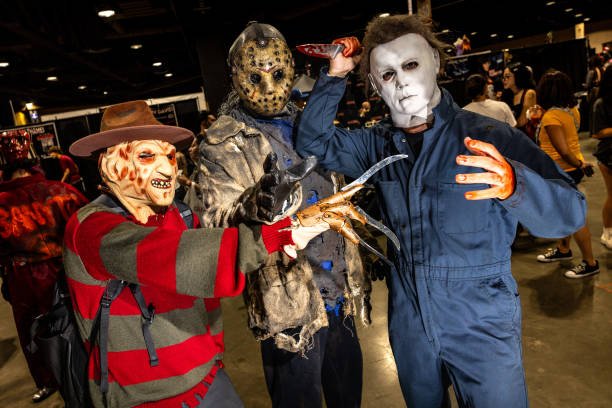
Horror franchises have long captivated audiences with their blend of suspense, terror, and the supernatural. These series, often spanning multiple films, books, or games, tap into our deepest fears, creating worlds where the ordinary collides with the extraordinary. As an expert in cinematic history, I’ve spent years dissecting these franchises, and it’s fascinating how they evolve while maintaining core elements that keep fans coming back. From the slasher flicks of the 1980s to modern reboots, horror franchises represent a unique genre that thrives on repetition with variation, much like a well-crafted symphony that builds tension over time.
The appeal of horror franchises lies in their ability to build lore and characters that resonate across installments. Take, for instance, how a single film can spawn sequels that expand the universe, introducing new villains or twists that honor the original while pushing boundaries. This continuity fosters a sense of community among fans, who debate plot points and theorize about future entries. In my experience, the best horror franchises aren’t just about scares; they’re about storytelling that explores themes like mortality, isolation, and the human psyche. As we delve deeper into this topic, we’ll uncover why these franchises endure and what makes them so compelling.
The Origins and Evolution of Horror Franchises
Horror franchises didn’t emerge overnight; they trace back to early cinema and literature, where tales of the macabre were serialized to build suspense. Think of the Universal Monsters from the 1930s, like Dracula and Frankenstein, which laid the groundwork for what we now call franchises. These early examples showed how recurring characters and settings could create a brand, drawing audiences back for more. Over time, as technology advanced, so did the ways to terrify, from simple jump scares to complex narratives involving supernatural entities.
The 1970s and 1980s marked a boom for horror franchises, with slasher films like Friday the 13th and Halloween dominating box offices. These series capitalized on economic filmmaking, where low budgets and high returns fueled multiple sequels. As an expert, I see this era as pivotal, as it shifted horror from gothic tales to modern, relatable fears like masked killers stalking teenagers. The evolution continued into the 1990s with meta-franchises like Scream, which self-referentially commented on the genre, blending humor with horror to attract a broader audience.
By the 2000s, horror franchises embraced globalization, with international influences seeping in, such as Japanese horror remakes like The Ring. This period also saw the rise of found-footage styles, as seen in Paranormal Activity, which felt more authentic and immersive. Today, franchises like The Conjuring universe blend historical lore with demonic threats, showing how horror adapts to contemporary anxieties. This evolution isn’t just about scares; it’s about reflecting societal changes, from Cold War paranoia to digital-age isolation.
Iconic Horror Franchises That Defined the Genre
When discussing horror franchises, certain names stand out as pillars of the genre, each with a legacy that spans decades. The Nightmare on Elm Street series, centered around Freddy Krueger, is a prime example, blending dream logic with razor-sharp wit. Freddy’s ability to invade dreams made him a versatile villain, allowing for creative kills and psychological depth in each film. Fans still debate the best entries, but the franchise’s impact on pop culture is undeniable, influencing everything from music to merchandise.
Another titan is the Saw franchise, which revolutionized torture porn with its intricate puzzles and moral dilemmas. Jigsaw’s philosophy of forcing victims to confront their sins created a narrative framework that rewarded rewatches. As someone who’s analyzed these films extensively, I appreciate how Saw evolved from simple traps to complex conspiracies, though it faced criticism for its graphic content. Despite controversies, the franchise’s longevity proves that intellectual horror can thrive alongside visceral thrills.
The Halloween series, with Michael Myers as the silent stalker, epitomizes the slasher archetype. Its focus on survival and the unknown has inspired countless imitators. The 2018 reboot breathed new life into the franchise, proving that fresh takes on classics can resonate. These iconic horror franchises not only entertain but also serve as benchmarks for what makes horror effective: memorable antagonists, escalating stakes, and themes that linger long after the credits roll.
The Mechanics Behind Successful Horror Franchises
What makes a horror franchise successful? It’s not just about scares; it’s about crafting a formula that audiences crave. Consistency in tone and character development is key, as seen in franchises like The Texas Chain Saw Massacre, where the Sawyer family becomes a recurring nightmare. By maintaining core elements while introducing variations, these series keep things fresh without alienating fans. From my perspective, successful horror franchises excel in world-building, creating expansive universes that allow for crossovers and spin-offs.
Marketing plays a huge role too, with teasers and Easter eggs building hype across installments. The Conjuring franchise, for example, uses real-life paranormal investigators as a hook, lending credibility to its tales. This authenticity draws in viewers who enjoy the blend of fact and fiction. Additionally, timing releases around holidays, like Halloween for slasher films, maximizes exposure. But beyond strategy, it’s the emotional investment that counts—franchises that evoke genuine fear or empathy tend to endure.
Adaptability is another factor; horror franchises must evolve with audience tastes. The Resident Evil series transitioned from games to films seamlessly, incorporating action elements to appeal to broader demographics. This flexibility ensures longevity, as franchises that stagnate risk fading away. In essence, the mechanics of success involve balancing tradition with innovation, creating a cycle of anticipation and satisfaction that keeps horror franchises alive.
Lesser-Known Horror Franchises Worth Discovering
While blockbuster horror franchises grab headlines, there are hidden gems that deserve attention for their unique takes on terror. The Hellraiser series, with its cenobites and puzzle boxes, offers a more cerebral horror experience, delving into themes of desire and damnation. Often overshadowed by slashers, it provides a refreshing alternative with its philosophical undertones. As an expert, I recommend exploring these for fans tired of the mainstream.
Another underrated one is the Child’s Play franchise, featuring the killer doll Chucky. Its mix of dark humor and violence has spawned multiple films and even a TV series, showing versatility. The franchise’s evolution from campy to more serious tones mirrors broader horror trends. These lesser-known horror franchises highlight the genre’s diversity, proving that innovation can come from unexpected places.
The Cabin Fever series, focusing on flesh-eating viruses, brings a biological horror twist that’s both gross and thought-provoking. Its low-budget origins didn’t hinder its impact, inspiring discussions on contagion fears. Discovering these franchises enriches one’s understanding of horror, revealing layers beyond the obvious scares.
The Cultural Impact of Horror Franchises
Horror franchises don’t just entertain; they shape culture in profound ways. The Friday the 13th series, for instance, popularized the slasher subgenre, influencing fashion, language, and even Halloween costumes. Jason Voorhees became a symbol of unstoppable evil, embedding himself in public consciousness. This cultural permeation shows how horror franchises can transcend entertainment to become societal touchstones.
They also spark conversations about morality and society, as seen in the Saw franchise’s exploration of justice and redemption. Films like these prompt debates on ethics, making horror a vehicle for social commentary. Moreover, horror franchises foster communities, with conventions and fan theories keeping the genre vibrant. As someone deeply immersed in this world, I see their impact as a testament to horror’s power to unite and provoke.
In media, these franchises inspire parodies and homages, from Scary Movie to countless memes. Their influence extends to other genres, blending with action in films like Resident Evil. Ultimately, horror franchises reflect and challenge cultural norms, ensuring their relevance in an ever-changing world.
Critiques and Controversies in Horror Franchises
No discussion of horror franchises is complete without addressing their criticisms. Many, like the Hostel series, face backlash for excessive violence, accused of glorifying torture. While some argue this desensitizes audiences, others see it as a critique of human cruelty. As an expert, I believe these controversies highlight the genre’s edge, forcing us to question where entertainment ends and exploitation begins.
Gender representation is another hot topic, with franchises like Scream subverting tropes but others reinforcing stereotypes. The evolution of female leads in horror, from victims to heroes, shows progress, yet gaps remain. Controversies also arise from cultural appropriation, such as Western remakes of Asian horror, which can dilute original meanings.
Despite these issues, horror franchises often address them head-on, using sequels to evolve. The debate keeps the genre dynamic, encouraging innovation while reminding us of its responsibilities.
The Future of Horror Franchises in a Digital Age
Looking ahead, horror franchises are poised for transformation with streaming and VR technologies. Platforms like Netflix allow for episodic storytelling, as seen in The Haunting of Hill House, which feels like a franchise in itself. This shift could lead to more interactive experiences, where viewers influence plots. As someone tracking trends, I predict a rise in diverse voices, with global horror franchises gaining prominence.
AI and CGI will enhance scares, making monsters more lifelike without practical effects. However, the core of horror franchises—emotional connection—must remain. Sustainability is key; over-saturation could dilute quality, so franchises must balance quantity with creativity. The future holds promise for horror franchises that embrace change while honoring their roots.
In this digital era, cross-media integration will flourish, with games, books, and films intertwining. Franchises like Silent Hill exemplify this potential. Ultimately, the future of horror franchises depends on their ability to adapt, ensuring they continue to terrify and inspire generations.
Analyzing the Economics of Horror Franchises
The business side of horror franchises is as intriguing as the stories themselves. Low production costs often yield high returns, as evidenced by the Paranormal Activity series, which grossed millions on shoestring budgets. Franchises leverage this by focusing on viral marketing and word-of-mouth. From my analysis, successful horror franchises prioritize profitability without sacrificing scares, using sequels to amortize costs.
Merchandise and spin-offs add revenue streams, turning characters into brands. Freddy Krueger’s glove or Chucky dolls are iconic examples. However, economic pitfalls exist; rushed sequels can alienate fans, leading to box office flops. The key is strategic planning, ensuring each entry adds value to the franchise’s ecosystem.
In today’s market, streaming deals offer new monetization, with franchises like The Purge finding second lives online. This economic evolution underscores how horror franchises thrive on accessibility, making terror a global commodity.
The Psychological Appeal of Horror Franchises
Why do we love horror franchises? Psychologically, they provide catharsis, allowing us to confront fears safely. The adrenaline rush from jump scares mirrors real-life thrills, as per studies on fear responses. Franchises like The Ring tap into primal anxieties, like technology’s dark side, offering insights into the human mind.
Repetition in horror franchises builds familiarity, turning terror into comfort. Fans return for the predictability of scares, yet the variations keep it engaging. As an expert, I see this as a form of therapy, helping process traumas through fiction. The psychological depth of horror franchises makes them more than entertainment—they’re mirrors to our inner worlds.
Horror Franchises and Their Influence on Other Genres
Horror franchises bleed into action, comedy, and sci-fi, enriching the landscape. The Alien series, a sci-fi horror franchise, inspired countless imitations with its blend of suspense and exploration. This crossover shows horror’s versatility, influencing blockbusters like Jurassic Park.
In comedy, franchises like Evil Dead parody horror tropes, creating meta-layers. Even romance gets a horror twist in films like Warm Bodies. This influence fosters innovation, proving horror franchises are genre-benders. Their legacy extends far beyond scares, shaping storytelling globally.
Global Perspectives on Horror Franchises
Horror franchises vary by culture, with Japanese ones like Ju-On emphasizing atmosphere over gore. Western audiences might find them subtle, yet they inspire remakes. As someone studying global cinema, I appreciate how these franchises exchange ideas, enriching the genre.
Latin American horror, such as The Orphanage, blends folklore with modern terror, offering fresh narratives. This diversity challenges the dominance of Hollywood horror franchises, promoting inclusivity. Global perspectives remind us that horror is universal, transcending borders.
The Role of Music and Sound in Horror Franchises
Sound design is crucial in horror franchises, amplifying tension. The iconic scores of John Carpenter in Halloween set standards for eerie soundtracks. Music cues build suspense, making scenes unforgettable. Franchises like The Shining use silence and motifs to heighten dread.
Modern horror franchises incorporate immersive audio, with Dolby Atmos enhancing experiences. This evolution shows how sound complements visuals, creating holistic terror. As an expert, I see music as a character in horror franchises, evoking emotions that visuals alone can’t.
Horror Franchises in Literature and Comics
Beyond films, horror franchises thrive in books and comics. Stephen King’s works, like The Dark Tower, form expansive universes. Comics like The Walking Dead extend narratives visually. This multi-media approach broadens appeal, allowing deeper lore.
Adaptations from page to screen, as in It, highlight strengths of each medium. Franchises like Hellraiser originated in novels, proving horror’s roots in literature. This synergy keeps horror franchises vibrant across formats.
Ethical Considerations in Horror Franchises
Horror franchises raise ethical questions about violence depiction. Does showing gore desensitize or educate? Franchises like Saw provoke these debates, forcing viewers to reflect. As an expert, I advocate for responsible storytelling that avoids gratuitous content.
Representation matters too; diverse casts in horror franchises promote inclusivity. Ethical evolution involves consulting experts for accuracy, as in The Conjuring. These considerations ensure horror franchises remain impactful without harm.
Fan Theories and Community in Horror Franchises
Fan theories fuel horror franchises, with Reddit threads dissecting plots. The Lost franchise’s mysteries parallel horror enigmas. This community engagement builds loyalty, turning passive viewers into active participants.
Conventions like Comic-Con celebrate horror franchises, fostering connections. Theories often inspire official content, blurring lines between fans and creators. This dynamic keeps horror franchises alive through collective creativity.
Innovations in Horror Franchises
Technological advancements revolutionize horror franchises. VR in Resident Evil offers immersive scares. AI-generated content could create personalized stories. These innovations push boundaries, making horror more interactive.
Found-footage evolved from Blair Witch to modern mockumentaries. Franchises like Cloverfield embrace this style for realism. As trends shift, horror franchises adapt, ensuring relevance.
The Decline and Revival of Horror Franchises
Some horror franchises fade due to fatigue, like Friday the 13th’s later entries. Revivals, however, breathe life, as with Halloween’s 2018 film. Strategic reboots honor legacies while modernizing.
Economic factors influence declines; high costs without returns lead to hiatuses. Yet, streaming revives old franchises, proving resilience. Understanding cycles helps predict horror’s future.
Horror Franchises and Social Issues
Horror franchises address social issues, from racism in Get Out to mental health in Hereditary. These narratives provoke thought, using scares as metaphors. Franchises like Us explore identity and inequality.
This social commentary elevates horror beyond entertainment. As an expert, I see it as the genre’s strength, reflecting societal changes.
The Art of Directing Horror Franchises
Directors shape horror franchises, with auteurs like Wes Craven defining Scream. Their vision ensures consistency across films. New directors bring fresh perspectives, revitalizing series.
Challenges include balancing fan expectations with originality. Successful directors innovate within frameworks, as in Saw’s twists. This artistry makes horror franchises enduring.
Merchandise and Spin-Offs in Horror Franchises
Merchandise extends horror franchises beyond screens. Toys, games, and apparel generate revenue. The Conjuring’s Annabelle doll is a merchandising triumph.
Spin-offs explore subplots, like Saw’s video games. This expansion diversifies experiences, keeping franchises lucrative.
Horror Franchises in the Streaming Era
Streaming transforms horror franchises, with Netflix originals like The Witcher blending fantasy and horror. Binge-watching allows deeper immersion. Franchises gain global reach, democratizing access.
Original series like Stranger Things incorporate horror elements, creating new franchises. This era fosters experimentation, with shorter formats suiting modern audiences.
The Science of Fear in Horror Franchises
Horror franchises exploit fear science, using suspense for physiological responses. Studies show adrenaline boosts from jump scares. Franchises like The Babadook delve into psychological horror.
Understanding fear enhances storytelling, making horror franchises more effective. This scientific lens reveals their appeal.
Horror Franchises and Nostalgia
Nostalgia drives horror franchises, with reboots evoking childhood fears. The 2017 It film capitalized on this, drawing massive audiences. Franchises tap into collective memories, ensuring longevity.
Remakes update classics without losing essence. This nostalgia cycle keeps horror relevant across generations.
Challenges Facing Horror Franchises
Horror franchises face challenges like audience desensitization and competition from other genres. Over-reliance on tropes can lead to boredom. Adapting to trends is crucial for survival.
Diverse representation and ethical production are modern imperatives. Overcoming these ensures horror franchises thrive.
The Legacy of Horror Franchises
Horror franchises leave lasting legacies, influencing culture and inspiring creators. From Universal Monsters to modern sagas, they evolve while maintaining core thrills. Their impact on entertainment is profound.
As we reflect, horror franchises remind us of storytelling’s power. They endure by adapting, promising future terrors.
Conclusion: The Timeless Thrill of Horror Franchises
In wrapping up our exploration of horror franchises, it’s clear they are more than scares—they’re cultural phenomena. From origins to future, they captivate with innovation and depth. As an expert, I encourage delving into these worlds, discovering the thrills they offer.

