
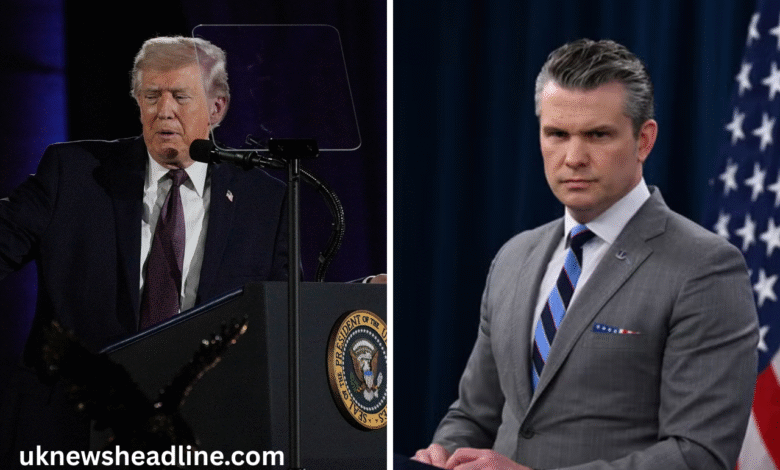
Overview of USA News in 2026
The current landscape of USA news in 2026 reflects a country navigating through rapid transformation across multiple sectors. From political debates to technological breakthroughs, the United States continues to influence global developments while also addressing its own internal challenges. News coverage today is more dynamic than ever, capturing real-time events that impact millions of lives both domestically and internationally.
One of the most noticeable aspects of American news is how interconnected different sectors have become. Political decisions directly affect economic conditions, while technological advancements shape social behavior and public opinion. This interconnected nature makes USA news more complex but also more insightful for those seeking a deeper understanding of national and global affairs.
Additionally, the rise of digital platforms has significantly changed how people consume news. More Americans now rely on online sources and mobile apps for updates, making information more accessible but also raising concerns about misinformation. As a result, the importance of credible journalism and fact-based reporting has never been greater.
Political Landscape and Government Policies
The political environment in the United States remains one of the most closely watched aspects of national news. In 2026, ongoing debates around healthcare, immigration, and taxation are shaping policy decisions and public opinion. Government leaders continue to face pressure to address economic inequality, national security, and social justice issues in a balanced and effective manner.
Another important development is the preparation for the midterm elections, which are expected to significantly influence the direction of American politics. Political campaigns are already gaining momentum, with candidates focusing on voter concerns such as inflation, employment, and public safety. These elections will likely determine how power is distributed in Congress and impact future legislative priorities.
Furthermore, bipartisan cooperation remains a challenge in the current political climate. While there are efforts to find common ground on key issues, ideological differences often slow down decision-making processes. This ongoing tension keeps political news at the forefront of public attention and debate.
Economic Developments and Financial Trends
Economic news in the United States highlights a mixture of resilience and uncertainty. In 2026, the economy is experiencing moderate growth, but concerns about inflation and rising living costs continue to affect households. Many Americans are closely monitoring job markets, wage growth, and consumer prices as they navigate financial decisions.
Businesses across various sectors are adapting to changing economic conditions by investing in innovation and digital transformation. Small businesses, in particular, are finding new ways to compete in an increasingly competitive market. Meanwhile, large corporations continue to expand their influence, shaping employment trends and market dynamics.
At the same time, government policies aimed at stabilizing the economy are under constant review. Fiscal strategies, including taxation and public spending, play a crucial role in determining the country’s financial health. These developments make economic news a vital area of focus for individuals and organizations alike.
International Relations and Global Influence
The United States continues to play a major role in global affairs, making international relations a key component of USA news. In 2026, diplomatic efforts are focused on strengthening alliances, managing conflicts, and promoting economic cooperation. These efforts are essential for maintaining global stability and protecting national interests.
Trade agreements and international partnerships are also shaping the country’s global influence. The United States is actively engaged in discussions related to trade policies, supply chains, and economic collaboration. These interactions not only affect global markets but also have direct implications for domestic industries.
In addition, geopolitical tensions remain a significant concern. The U.S. government is closely monitoring developments in various regions to ensure national security and maintain its leadership position on the world stage. This ongoing involvement highlights the importance of international news in understanding America’s role globally.
Technology, Innovation, and Digital Growth
Technology continues to be a driving force behind many of the changes seen in the United States. In 2026, advancements in artificial intelligence, automation, and digital infrastructure are transforming industries and everyday life. From healthcare to education, technology is improving efficiency and creating new opportunities.
One of the most exciting areas of innovation is space exploration. The United States is making significant progress in its efforts to explore beyond Earth, capturing global attention and inspiring future generations. These developments showcase the country’s commitment to scientific advancement and discovery.
At the same time, the rapid pace of technological growth raises important questions about privacy, security, and ethical use. Policymakers and industry leaders are working to address these concerns while ensuring that innovation continues to benefit society. As a result, technology news remains a central focus in the broader landscape of USA news.
Social Issues and Cultural Changes
Social issues continue to shape the national conversation in the United States. Topics such as healthcare access, education reform, and civil rights are at the forefront of public debate. These issues reflect the diverse needs and perspectives of the American population, making them a critical part of current news coverage.
Cultural changes are also influencing how people interact and communicate. The rise of social media has given individuals a platform to express their opinions and engage in discussions on a wide range of topics. This shift has made it easier for voices to be heard but has also contributed to increased polarization.
Moreover, efforts to promote equality and inclusion remain ongoing. Communities across the country are working toward creating a more inclusive society where everyone has equal opportunities. These efforts are shaping policies and influencing public attitudes, making social issues a key aspect of USA news.
Major Events and National Highlights
The year 2026 is marked by several significant events that are capturing national and global attention. One of the most notable milestones is the celebration of the United States’ 250th anniversary of independence. This historic occasion is bringing people together through events, ceremonies, and cultural activities across the country.
Another major highlight is the hosting of global sporting events, which are expected to attract millions of visitors and boost the economy. These events not only showcase the country’s infrastructure and hospitality but also strengthen international connections and cultural exchange.
In addition, various national initiatives and programs are being launched to address key challenges and promote development. These efforts demonstrate the country’s commitment to progress and innovation, making major events an important part of USA news.
Media Trends and News Consumption
The way people consume news in the United States has evolved significantly in recent years. Digital platforms have become the primary source of information for many individuals, offering instant access to breaking news and updates. This shift has changed the traditional media landscape and created new opportunities for content creators.
However, the rise of digital media also presents challenges related to accuracy and reliability. With so much information available online, it can be difficult for readers to distinguish between credible sources and misinformation. This makes media literacy an essential skill in today’s world.
At the same time, traditional media outlets are adapting to these changes by expanding their digital presence. By combining in-depth reporting with modern technology, they aim to provide high-quality journalism that meets the needs of today’s audience. This evolution highlights the ongoing transformation of news consumption in the United States.
Environmental Issues and Climate Awareness
Environmental concerns are becoming increasingly prominent in USA news. Issues such as climate change, pollution, and natural disasters are affecting communities across the country. These challenges are driving discussions about sustainability and the need for effective environmental policies.
Efforts to promote renewable energy and reduce carbon emissions are gaining momentum. Government agencies, businesses, and individuals are working together to adopt more sustainable practices. These initiatives are not only beneficial for the environment but also contribute to economic growth and innovation.
Furthermore, public awareness of environmental issues is on the rise. More people are taking action to protect natural resources and support conservation efforts. This growing awareness is influencing policy decisions and shaping the future of environmental news in the United States.
Read More: Ducky Bhai Biography 2026: Real Story, Rise to Fame, Controversies, and YouTube Journey
Future Outlook of USA News
Looking ahead, the future of USA news is expected to remain dynamic and fast-paced. Political developments, economic trends, and technological advancements will continue to shape the national narrative. Staying informed will be essential for understanding these changes and their impact on society.
Emerging trends such as artificial intelligence, digital transformation, and global collaboration are likely to play a major role in future developments. These trends will influence how news is reported, consumed, and understood by audiences around the world.
Ultimately, the importance of reliable and trustworthy journalism cannot be overstated. As the world becomes more interconnected, the need for accurate information will continue to grow. USA news will remain a vital source of insight into one of the most influential countries in the world.
